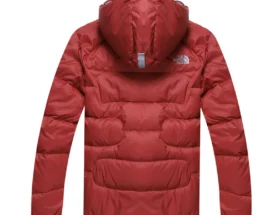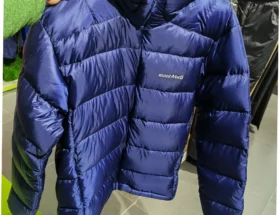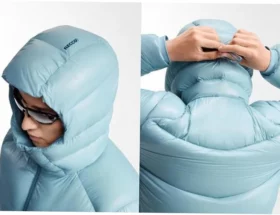
Short answer first: vacuum sealing down jackets isn’t inherently bad, but leaving one sealed for six straight months is — I have a flattened 700-fill jacket in my closet to prove it. Compression is mostly recoverable; duration, trapped moisture, and how you re-loft the jacket afterward decide the outcome. Fix rips first, since down jacket hole repair belongs at the top of the checklist before any air gets sucked out of the bag.
Table of Content
Is Vacuum Sealing Bad for Down Jackets?
What Compression Actually Does to Down
Down insulates through structure, not material. Every cluster is a tiny three-dimensional tangle of barbed filaments that springs open and traps air, and those barbed nodes are what keep the filaments locked together. Squash a cluster and you flatten the tangle. Release it quickly and physics does most of the work, pulling the filaments back apart within hours.
Hold it crushed for months, though, and the story shifts. Filaments kept under constant load can take a set, like a shirt forgotten in a cramped drawer. The cluster still insulates, just less efficiently, and the jacket feels thinner across the chest and shoulders — exactly where warmth matters most. That is the honest mechanism behind the whole fear.

Short Squeeze vs Long-Term Storage
So the real question isn’t whether compression harms down. It’s how long and how hard. Down gets shipped from factories under heavy compression, stuffed into expedition packs, and crammed into carry-ons, and it survives all of that. Off-season storage is a different beast, because you’re talking months of continuous load instead of days or weeks.
A jacket vacuum sealed for two weeks in a suitcase behaves nothing like one parked in a bag from spring to autumn. The rule I actually follow: vacuum sealing is fine for transport, questionable for a season, and a bad idea for multi-year storage. Anything past a few weeks deserves a looser container.
These estimates come from my own closet experiments and repair-shop conversations, not a controlled study — treat them as a rough map rather than gospel. Fill power, humidity, and drying method all shift the curve. Here’s the pattern I keep seeing:
| Time Under Vacuum | Typical Recovery After 24–48 Hours | How It Feels |
|---|---|---|
| 1–3 days (travel) | Almost full loft | Indistinguishable from before |
| 2–4 weeks | Mostly recovered | Slightly flatter at elbows and hood |
| 2–4 months | Partial recovery | Needs a wash-and-dry cycle to help |
| 6 months or more | Variable, often permanent loss | Thin panels, cold spots, dull hand-feel |
Vacuum Sealing vs Stuff Sacks for Down
Volume, Weight, and Loft Recovery
Vacuum bags win on volume, obviously. You can shrink a puffy jacket down to roughly the size of a hardcover book. Compression stuff sacks get you maybe half that reduction without a pump, while garment bags and open shelves take the most space but put the least stress on the fill. There’s no free lunch; every centimeter you remove is load carried by feathers.
For travel, I’ll take the vacuum bag and never think twice. For home storage the calculation flips completely, because the shelf space you save is worth far less than the warmth you lose in January. That’s the trade most people miss when they’re shopping for storage gear instead of thinking about what happens six months later.
| Method | Volume Saved | Best Duration | Main Risk |
|---|---|---|---|
| Vacuum bag | 70–80% | Days to a few weeks | Loft loss, trapped moisture, seam stress |
| Compression stuff sack | 40–60% | Travel only | Creasing, zero moisture protection |
| Garment bag | Little to none | Indefinite | Dust, moths, accidental snags |
| Loose cotton pillowcase | None | Indefinite | Consumes shelf space |
What Real Owners Report
The community verdict is genuinely split, which is worth knowing before you commit. Plenty of long-time owners vacuum-pack jackets, gloves, and sweaters every off-season, wash everything first, and report zero problems after several winters of hard use, including premium brands. Others compress hard for as long as they like and insist the feathers always spring back.
The opposing camp is just as adamant, and their argument is structural rather than emotional: constant compression doesn’t only move feathers around, it deforms individual filaments, and a creased filament insulates worse than a springy one. Both sides can be right, which is exactly why the differences between their setups matter more than the shouting.
| Claim | Real-World Feedback |
|---|---|
| “Vacuum sealing destroys down insulation.” | Most users see full recovery after short-term compression; long-term results vary widely by jacket quality and age. |
| “Down is mechanically impossible to damage.” | Filaments under months of load can take a set, especially in older or lower fill power jackets. |
| “Just wash and tumble it, it’ll be fine.” | Often true — dryer balls on low heat really do restore loft — but not guaranteed every single time. |
| “Vacuum bags are the best off-season solution.” | Great for space, risky for warmth; moisture sealed inside the bag is the bigger hidden threat. |
When Compressed Down Storage Goes Wrong
Moisture, Mold, and Crushed Filaments
Compression is the headline, but moisture is the real villain. You sweat in a down jacket, and the shell holds that vapor against the fill. Seal a slightly damp jacket in plastic and you’ve built a dark, airtight, humid container — prime conditions for mildew. The smell is stubborn, and mold damage usually outlasts any loft loss you were worried about.
Dry the jacket fully before sealing it, and I mean fully, not “feels dry to the touch.” Down holds water deep inside the clusters for hours after the shell seems fine. My routine is a full low-heat tumble with dryer balls, then a cooling period on a hanger before the jacket goes anywhere near a vacuum bag.
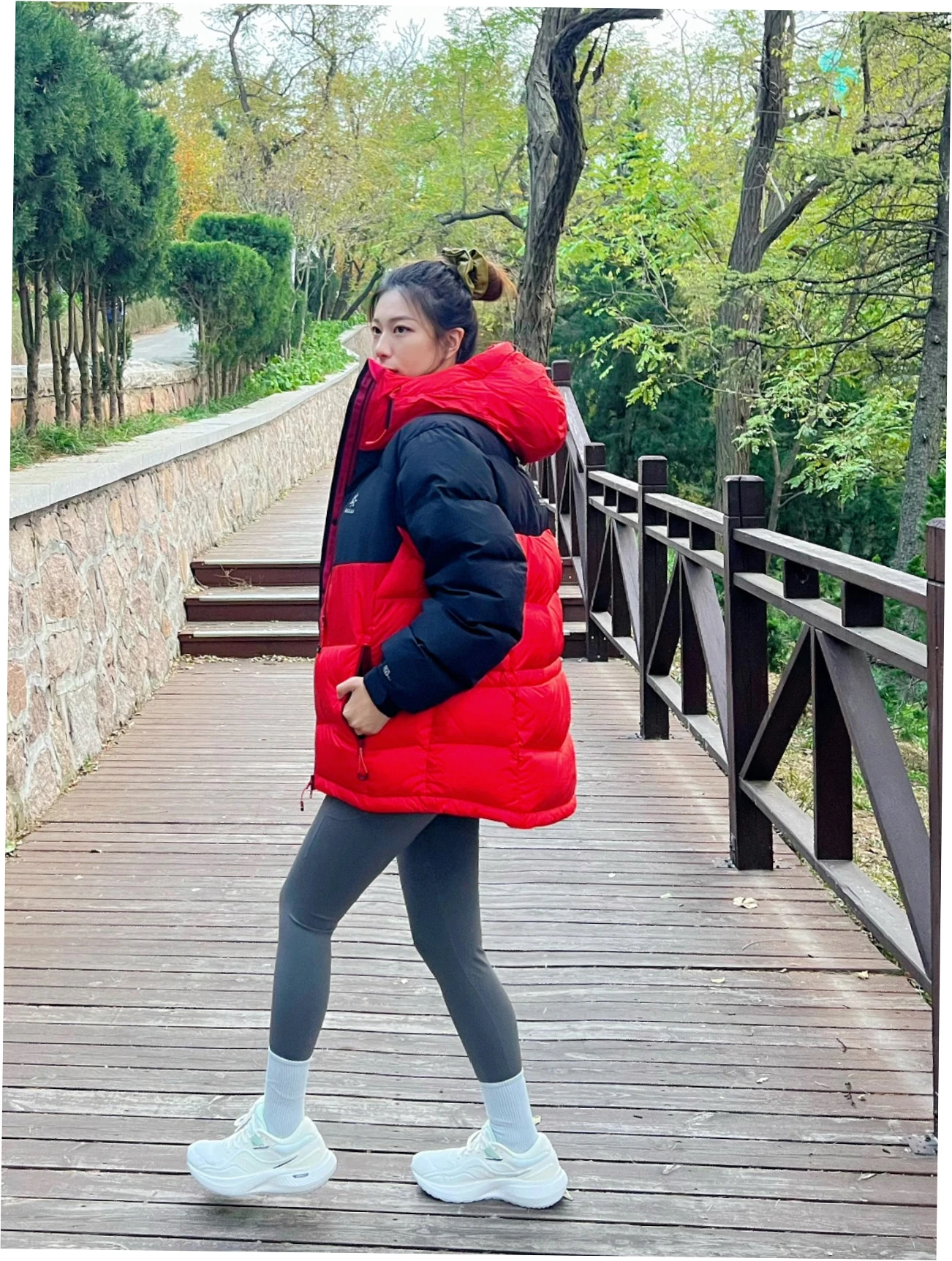
Seams, Zippers, and Shell Fabric
Vacuum pressure pulls on everything, not just feathers. Flat-felled seams, delicate zipper coils, and lightweight 10-denier shells take load from every direction at once. Over time that can abrade stitching, crease waterproof coatings, and stress fabric around bartacks. Most jackets tolerate it fine; ultralight ones with taped seams sometimes don’t.
There’s also the escape-hatch problem. Any weak point — a pulled seam, worn zipper tape, a puncture from a branch — becomes an exit route once pressure drops. Down wicks out of the smallest gap, and you end up vacuuming feathers off every surface in the room. Inspect and repair damage before you compress, not after.
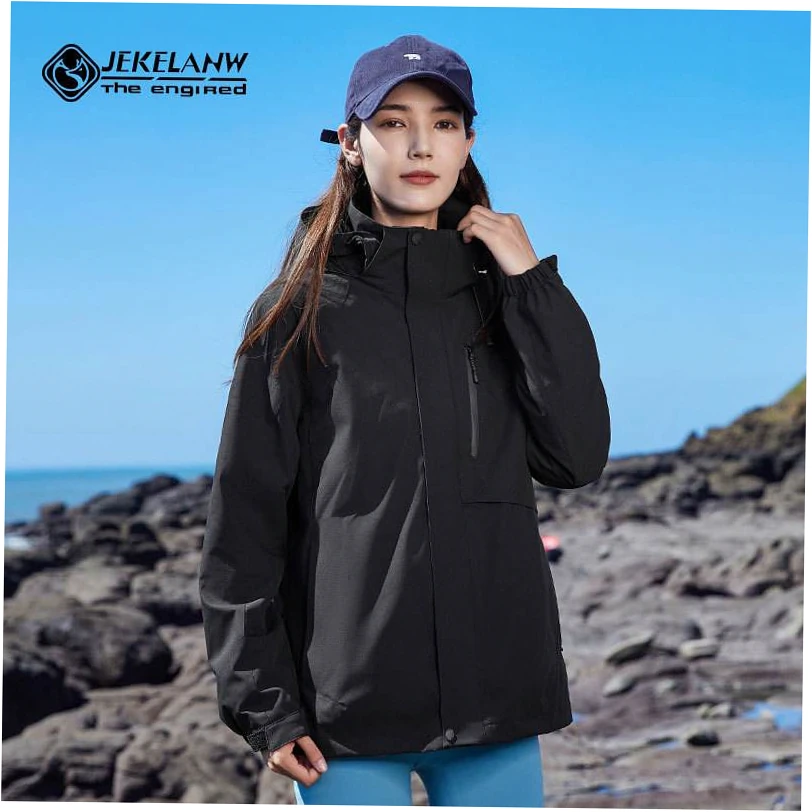
How to Vacuum Seal Down Jackets Safely
A Routine That Protects Loft
Wash first, seal second. Body oils, sunscreen, and sweat residue attract moisture and degrade fill over months, so a gentle wash with a proper formula is the foundation of good storage. I keep a bottle of the best detergent for down jackets on the shelf and use it every single time, because ordinary laundry soap strips the natural oils that keep feathers supple.
Then dry thoroughly on low with two or three dryer balls, and let the jacket cool completely. Fold it loosely instead of rolling it tight, slide it into the bag, and pull only 60 to 70 percent of the air out — firm and compact, never rock hard. Store flat on a shelf, away from sunlight, radiators, and damp basements.
Label the bag with the date. It sounds fussy, but it’s the single habit that stops vacuum-packed jackets from quietly becoming two-season residents of your attic. When you pull one out, unpack it immediately and give it a shake rather than leaving it compressed in a corner while you get around to it.
Reviving a Jacket That Came Out Flat
Most flattened jackets recover with warmth, movement, and patience. Toss the jacket in a dryer on low with a couple of clean tennis balls or dedicated dryer balls and let it tumble for twenty minutes, then check it. Break up clumps by hand, working from cuffs and hem toward the body, and tumble again if needed.
If loft is still poor after two cycles, a gentle wash often revives more than heat alone, because it resets filaments instead of just fluffing the surface. Give it a day to settle; freshly dried down sometimes looks denser than it will once clusters relax. Persistent flat spots near the shoulders usually mean fill has migrated, not died, so massaging it back into place genuinely helps.
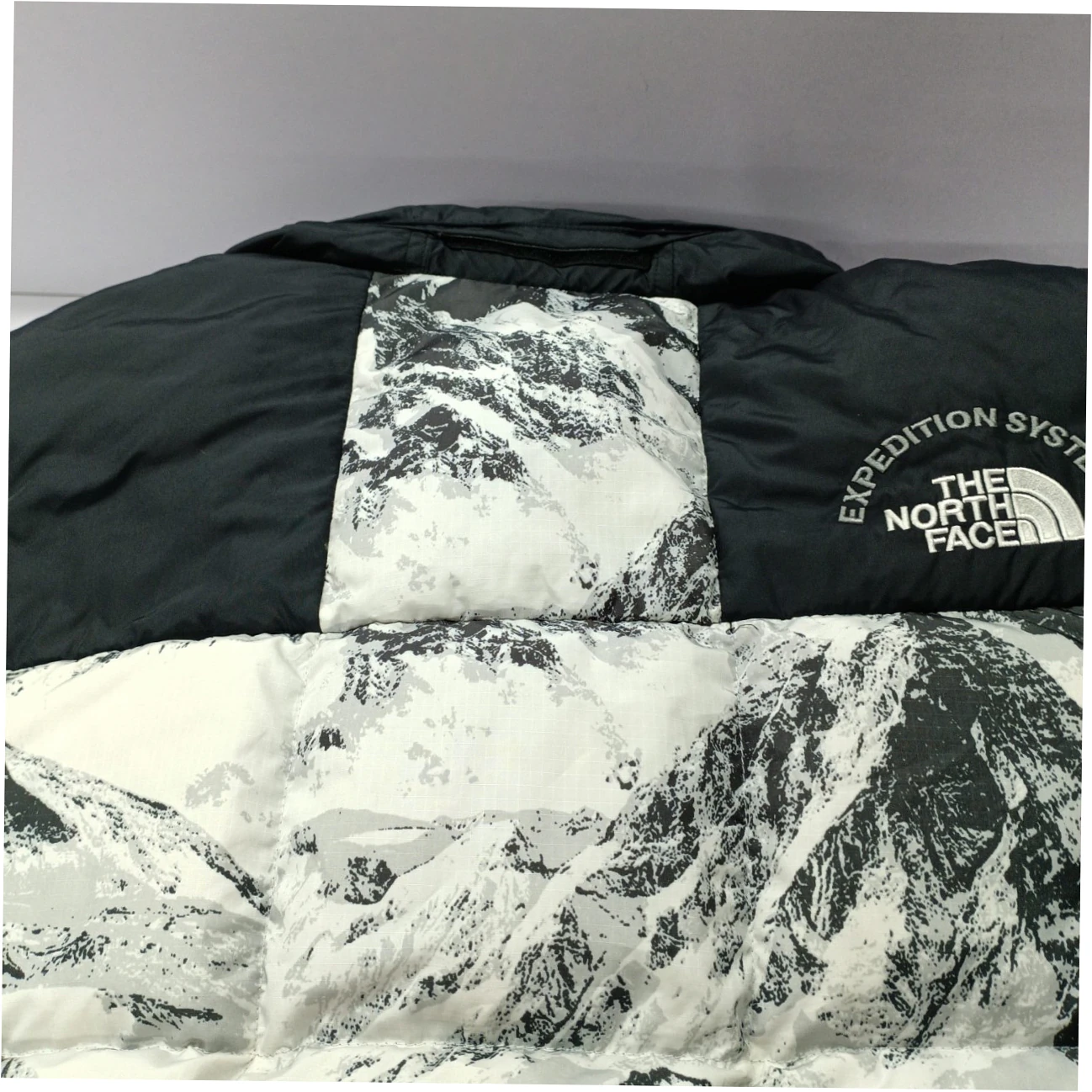
Storing Down Jackets Long-Term Without Loft Loss
If you’re storing for a full season or longer, flip your priorities: warmth first, space second. Hang the jacket on a padded hanger inside a breathable cotton bag, or lay it flat in a loose pillowcase. Both options cost shelf real estate and give you back a jacket that behaves like new in December. That’s a trade I’d take every time.
Reserve vacuum bags for the situations they actually win: flights, road trips, backpacking, shipping a jacket to a repair specialist, and freeing up a suitcase for the trip home. If closet space is tight and budget isn’t, a wardrobe-care cabinet or professional cleaning service can prep and refresh winter down with zero compression at all — though that’s a much bigger investment than a pillowcase.
One more habit worth building: check stored jackets once a season. Pull them out, shake them, let them breathe for an hour, and look for dampness, pest damage, or compressed patches. Five minutes in October routinely saves a replacement jacket in January, and it tells you fast whether your chosen storage method is actually working.
Vacuum Sealing Down Jackets: Your Questions Answered
Is it okay to vacuum seal a down jacket for a flight?
Yes, and this is the scenario where vacuum bags truly earn their keep. Compression for a day or two of travel is nowhere near long enough to damage healthy down, and the jacket re-lofts on its own within a few hours of unpacking. Give it a good shake at the hotel and hang it overnight before wearing.
How long can a down jacket stay vacuum sealed without damage?
There’s no hard cutoff, but my comfort zone is measured in days, not seasons. Up to two weeks is low risk for most jackets; beyond that you’re gambling on fill quality, storage temperature, and residual moisture. If you must store compressed, shorter is always better — and check the bag for leaks periodically.
Does vacuum sealing ruin high fill power down like 800 or 900 fill?
High fill power down actually handles compression better than cheap alternatives, because premium clusters are larger, springier, and contain fewer stiff quills. A well-made 800-fill jacket usually recovers more completely than a budget 550-fill one. That said, better down is a reason to protect it, not an excuse to store it crushed.
My vacuum-sealed jacket came out flat. Can I fix it?
Usually, yes. Wash it gently, tumble dry on low with tennis balls or dryer balls, and break up clumps by hand between cycles. Repeat once or twice if needed, then let the jacket relax for a full day before judging it. Occasionally the fill has migrated rather than compressed, which responds well to massage.
Is a vacuum bag better than a compression stuff sack for storage?
No, and for long-term storage it’s usually worse. A stuff sack compresses less aggressively and lets down breathe, while a vacuum bag removes all the air and seals in whatever moisture remains. Use stuff sacks for travel, cotton bags or hangers for the off-season, and vacuum bags only when space truly matters.
Do I need to wash my down jacket before vacuum sealing it?
Yes, if it’s been worn. Oils, salts, and sunscreen residue hold moisture against feathers and can encourage mildew inside an airtight bag. A gentle wash followed by a complete low-heat dry protects both the fill and the shell fabric. Never seal a jacket that still smells like a campfire, either.
Can vacuum sealing damage the zipper or the shell fabric?
It can stress them. Vacuum pressure pulls every seam, zipper coil, and taped edge in multiple directions simultaneously, which matters most on ultralight shells with delicate coatings. If your jacket has taped seams, a fragile 10-denier face fabric, or a repaired tear, skip the vacuum bag and choose looser storage instead.