
After eight winters with the same down parka, here is the short version of how to store winter coats in summer: clean it, dry it completely, keep it loose, and put it somewhere dark and dry. Everything else is decoration. Down and wool mostly die of moisture, compression, and pests, and all three problems begin the moment a coat gets zipped into a bag and forgotten. A quick refresher on down jacket hole repair before you pack anything away is far cheaper than replacing a bald, leaking panel in November.
Table of Content
Why Summer Storage Ruins Down and Wool
What Actually Happens Inside the Bag
Down and wool are protein fibers, which makes them food. Clothes moths go after wool, while carpet beetles and their larvae will happily work on feathers, quietly feeding in the dark of a closet for months at a time. Add dust, body oils, and trapped humidity, and a coat that spent the summer against a cold exterior wall comes out smelling like a cellar floor.
Body oils are the sneaky part. Collars and cuffs hold sweat and sebum, and those oils oxidize over four or five months, which is why a jacket that smelled fine in March can smell sour by September. Spot clean the high-contact zones even in years when you never wash the whole thing.

Loft Is Not Just Marketing
Down insulates by trapping air between filaments, so anything that flattens those filaments steadily reduces warmth. A jacket squashed under three blankets for six months will usually bounce back after a good shake and a tumble with dryer balls. The same jacket squashed while slightly damp often will not, and that difference is the entire argument for storing loosely.
Certification beats packaging claims here too. A GRA certificate tells you what a gemstone actually is rather than how it looks under shop lighting, and an independently verified fill-power figure does the same job for down. When the loft rating is documented by a lab, you can reasonably expect the fill to recover after a careful off-season.

Heat and Light Do the Rest
Nobody expects an attic to be kind, but the numbers still surprise people. A closed loft can sit between 35 and 45 degrees Celsius on a July afternoon, and that kind of heat slowly ages shell coatings, seam tape, and elastic cuffs. Sunlight adds fading on top, so a bright south-facing closet is not the safe spot it looks like.
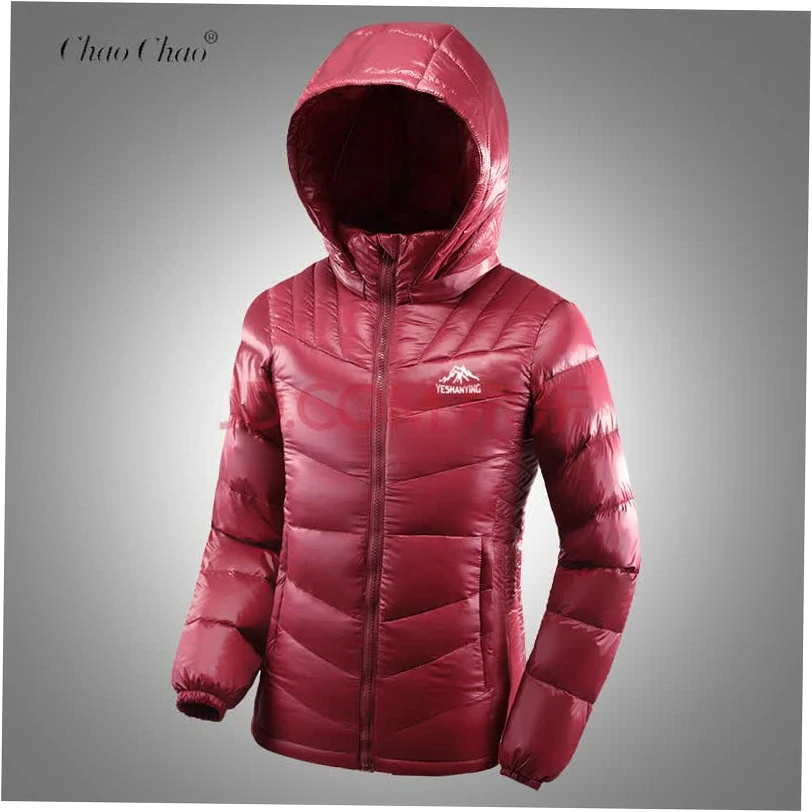
Which Storage Method Wins for Winter Coats?
The short answer is breathable fabric over plastic, loose over compressed, and dry over convenient. Real homes rarely offer perfect conditions, though, so the useful question is which compromise costs you the least across one summer. The table below sets standard label advice beside what actually happens in ordinary closets.
| Storage approach | Official advice | Typical real-world outcome | Best suited to |
|---|---|---|---|
| Vacuum compression bags | Save space with airtight sealing | Fine for one season in a cool room; bags that get warm can split, and coats come out flat | Short-term space saving, non-down items |
| Hanging on a wide hanger | Hang coats, never fold them | Convenient, but hooks by the door collect dust, light, and cooking grease | One or two coats in a dry hallway |
| Seasonal closet rotation | Rotate wardrobes twice a year | Many households simply push out-of-season clothes to the back rail and skip bags entirely | Dry climates with generous closet space |
| Under-bed bins | Store in a cool, dry, dark place | The most common small-apartment answer; dust and floor humidity are the trade-off | Renters and studio flats |
| Basement or garage shelving | Avoid damp rooms | Works only with airflow and a dehumidifier; masonry walls stay wet all summer | Anyone willing to monitor humidity |
Breathable Bags Beat Sealed Plastic
A cotton or canvas garment bag on a sturdy padded hanger is the least glamorous option and usually the best one. Air moves, dust stays out, and a coat that goes in at moderate humidity will not sit in its own moisture for four months. Skip the dry cleaner plastic sleeve, which traps whatever dampness was left in the fabric.

The Honest Truth About Vacuum Bags
Vacuum bags are not evil, they are simply oversold. Compressing a down jacket for a month or two in a cool room is usually harmless, and the loft tends to return after a wash and a low-heat tumble. Failures happen when sealed bags sit in a hot car boot or an attic for a whole season, where the plastic can split and the fill stays crushed.
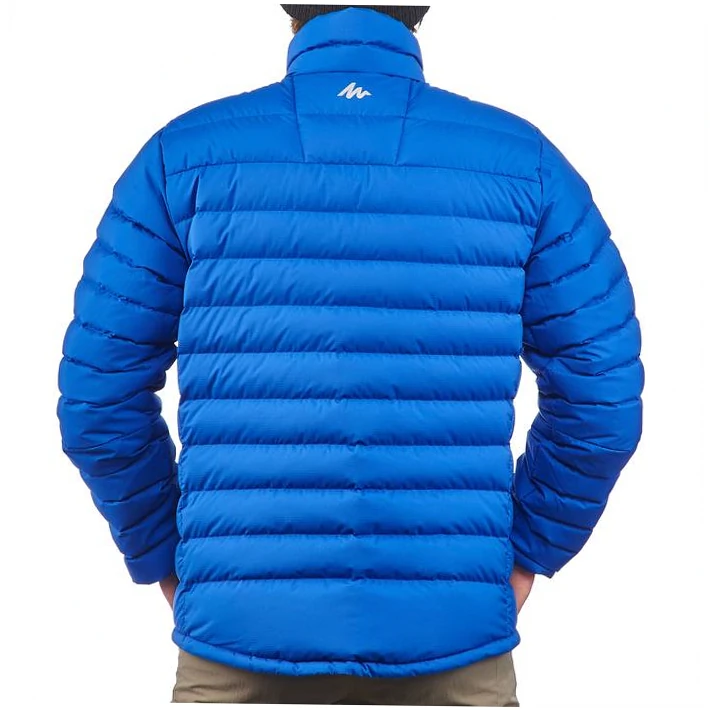
Do You Really Need to Clean Before Storing?
Yes, but cleaning means less than people assume. Air the coat outdoors on a dry day, spot clean the collar and cuffs, and wash the whole thing only if it is visibly soiled or genuinely greasy. When you do wash it, restoring loft is the part everyone skips: fluffing a washed down jacket is what actually brings the warmth back, not the wash itself.
Where Should Winter Coats Live in Summer?
The best spot is almost always boring: an interior closet in a climate-controlled room, well above the floor, away from exterior walls and direct sun. Everything else is triage. This map is the version I wish I had years ago, back when I leaned a wool coat against a concrete wall and learned about basement humidity the expensive way.
| Location | Typical July conditions | Main threat | Verdict |
|---|---|---|---|
| Interior bedroom closet | 20-24 C, moderate humidity | Dust, occasional pests | Ideal |
| Under-bed bin | Same as the room, slightly damper | Floor humidity, dust | Good with a desiccant pack |
| Attic | 35-45 C | Heat, rodents, dust | Poor |
| Garage | Humid and variable | Humidity, exhaust odors, pests | Poor |
| Basement | Cool but often above 65 percent RH | Mold, mildew, musty odor | Only with a dehumidifier and raised shelves |
| Climate-controlled storage unit | Stable year round | Monthly cost | Workable for overflow |
What Works in a Small Apartment
Studio and one-bedroom living usually means under the bed, the top shelf, or a suitcase that is already doing nothing. All three are fine. The under-bed bin is the most popular answer for a reason, but keep it off bare concrete, add a rechargeable silica pack, and check it once in August instead of trusting it blindly until October.
Basements, Garages, and the Humidity Trap
Basements fail for a boring reason: relative humidity. A basement can sit at 65 to 75 percent all summer without ever feeling wet underfoot, and anything above roughly 60 percent is friendly territory for mold. If it is your only option, run a dehumidifier, raise the coats on a shelf or rack, and never store them in contact with stone.
Storage Mistakes That Quietly Ruin Winter Coats
Sealing a Coat That Is Not Fully Dry
This is the mistake that ends the most jackets. A down coat can feel dry on the outside while the baffles still hold moisture, and once that moisture is sealed inside a bin it has nowhere to go for four months. Give any washed coat a full day of air in a dry room, longer if the seams still feel cool to the touch.
Cedar Blocks and Other False Confidence
Cedar works while it still smells strongly of cedar, which is roughly one season. After that it is decoration. Worse, the classic mothball is a health concern rather than a solution, since naphthalene and similar vapors are restricted or withdrawn from consumer sale in several markets and irritate lungs in small spaces. Airtight bins and regular inspection do more than scent.
Mixing Coats With Shoes and Gear
A row of off-season shoes lining the closet floor looks tidy and works against you. Footwear carries dust, grit, and trapped moisture, and a long wool coat hanging low enough to brush that rack picks up all three. Keep at least a foot of clearance beneath hanging coats, or move the shoes somewhere else entirely.
How I Actually Store Coats Every May
Here is the routine I run in a single afternoon, and it has kept one down parka, two wool coats, and a synthetic puffer in good shape for years. It takes about ninety minutes when I stay organized and half a day when I do not.
- Air everything outdoors on a dry, breezy day for two or three hours.
- Empty every pocket, then spot clean collars, cuffs, and the inside of the hood.
- Wash only what genuinely needs it, then give washed items a full day to dry.
- Handle small problems now, since a pulled seam today is a repair bill in autumn.
- Fold loosely or hang on a wide padded hanger, never on bare wire.
- Add a rechargeable silica pack and, if moths have struck before, use a sealed bin.
- Write the packing month on the bin, then check it once in August.
If you remember only one of those habits, remember the label. A bin marked May is easy to open and inspect; an unmarked bin is the one that sits untouched for three summers and eventually gets donated out of frustration rather than judgment.
FAQs About Storing Winter Coats in Summer
Should I dry clean my down coat before storing it?
Not automatically. Solvent cleaning can strip the natural oils that keep down supple, and residue left in the fill tends to attract more dirt over the summer. Wash it at home with a down-specific cleaner when it needs attention, dry clean only when the coat is heavily soiled, and air it for a day afterwards either way.
Is it worth storing a down jacket if my winters are mild?
If you wear a puffer once or twice a year, store it loosely rather than compressed and keep it somewhere you can reach without unpacking anything. One light layer available through summer costs almost nothing, while the heavy coat reserved for a genuine cold snap belongs in a bin with a silica pack.
Can I store a down jacket in a vacuum bag?
For a few weeks in a cool room, yes. For a full summer in a hot loft or garage, no. Long compression at high temperatures is where loft loss becomes permanent, and warmed plastic can split along the seam. If space forces the issue, vacuum the least valuable puffer and hang the good coat loose.
Do cedar blocks actually stop moths?
Only while they smell strongly. Cedar oil fades within a season, so an old block in the corner of a closet is doing very little. Airtight bins, a clean coat, and a close look in late summer reduce risk far more, and wool-heavy collections benefit from professional treatment or cold storage.
What if the puffer already has a small tear or a leak?
Deal with it before packing, because a two-millimeter hole drains a baffle over a summer of shifting and settling. A patch on the inside of the shell usually takes ten minutes. Whatever you do, do not seal a leaking coat into a bag and hope, since feathers will find the gap eventually.
Is a basement or garage ever acceptable for coat storage?
Only if you control humidity. A dehumidifier holding the room near 45 to 55 percent relative humidity, shelving that keeps coats off concrete, and a monthly check turn a basement into workable space. Without those three things, expect mold along the shoulders and a musty smell that survives a wash.
How much space does this actually take, and what does it cost?
Two adults with four heavy coats usually need one 60-litre bin and a section of closet rail, so roughly the price of a bin, a few silica packs, and a canvas bag. Climate-controlled storage units cost far more per month than the coats are worth unless you are parking an entire wardrobe during a move.