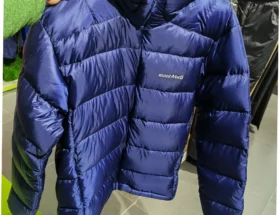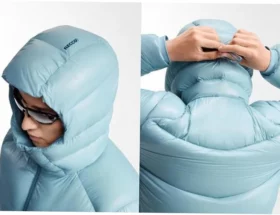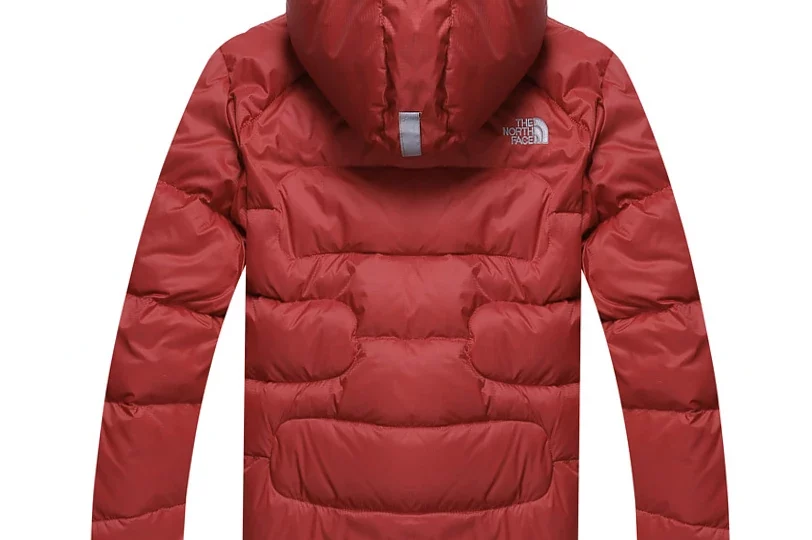
Last winter I watched a friend attack a chicken-wing stain on a black puffer with a stiff brush — a masterclass in how to get grease stains out of a down coat the wrong way, because by the time she stopped, the grease had tripled in size and crawled into the seam. So here is my blunt verdict: lift the oil with a mild surfactant before heat ever touches the fabric, work small, and rinse longer than feels reasonable. Fresh grease leaves in one pass; old grease just takes patience. If you are patching rips too, keep that down jacket hole repair guide nearby.
Table of Content
Why Do Grease Stains Cling to Down?
What Oil Actually Does to Feather and Shell
Down clusters are protein, and the shell is usually nylon or polyester finished with a durable water repellent coating. Oil has a far lower surface tension than water, so rain beads off the weave while a smear of cooking fat slips straight through it and anchors onto fibre surfaces and the fine barbules inside each cluster. That single physical fact explains everything that follows.
The mechanism decides your method. Surfactants lift oil by surrounding and suspending it; solvents dissolve it outright; powders only absorb what is still liquid on the surface. Anything that dissolves grease instantly is usually aggressive enough to carry off some of your dye, your water-repellent finish, or the natural oils that keep feathers supple, which is why the gentle route wins more often than people expect.
Fresh Spills, Body Oils, and Baked-In Marks
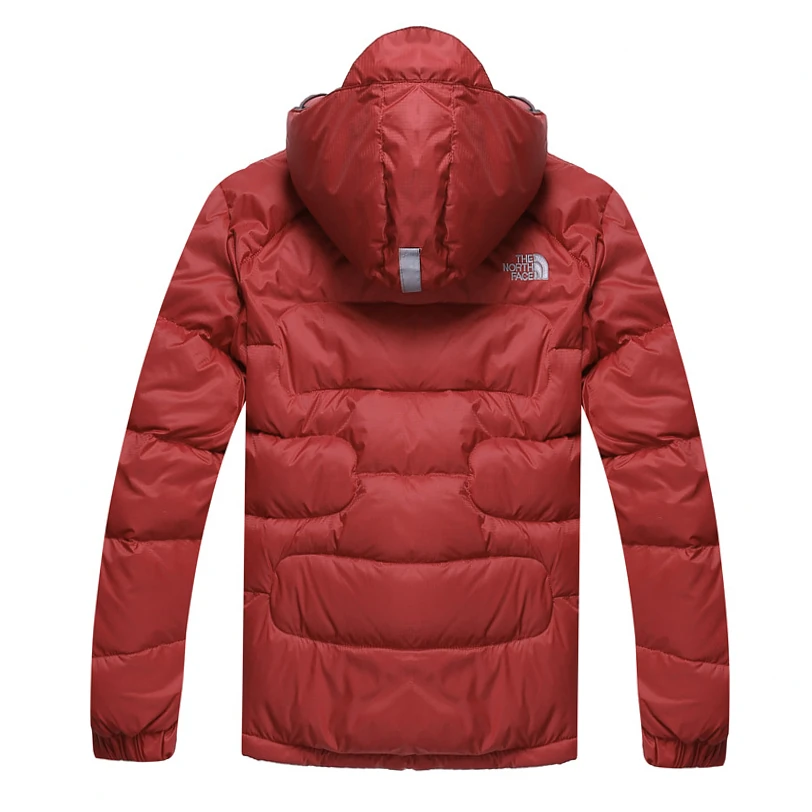
Most marks on a down coat are not dramatic. Collar and cuff grease from skin oils and hair product, a smear of hand cream, cooking splatter, bike chain, sunscreen along the hem — those accumulate quietly for weeks. I have seen a faint grey halo turn into a permanent dark ring simply because it went through a tumble dryer twice before anyone treated it.
The practical rule is short and unforgiving: never dry or iron a jacket that carries an untreated stain. Heat oxidises the fat and bonds it to the fibre, and the resulting mark is often irreversible. Test every product on the inside hem first, because a patch of lifted dye on the inside seams is a bruise, while the same damage on the chest is a funeral.

Where Grease Usually Hides on a Jacket
Collar, cuffs, hem, pocket mouths, and any spot your sleeve drags across a counter or a car door. Down jackets also pick up grease deeper in the loft when an over-scrubbed spot gets pushed sideways along the baffle channel. Knowing where the oil sits tells you how much rinsing you owe the garment afterwards.

Which Grease Removal Method Works Best?
Dish Soap, Bile Soap, or Solvent?
For food oil, sweat and lotion, start with liquid dish detergent diluted roughly one part soap to four parts water. Work it in with fingertips or a soft toothbrush, let it sit ten to thirty minutes, then rinse from the inside so the detergent flows out through the shell instead of into the down. Solvents are the nuclear option, reserved for workshop grease.
| Method | Best for | Time needed | Effect on water repellency | Main watch-out |
|---|---|---|---|---|
| Diluted dish detergent (1:4) | Food oil, sweat, lotion | 10–30 min, then a wash | Low | Residue if under-rinsed |
| Ox-gall or bile soap bar | Set fats, collars, cuffs | 15–60 min | Low | Needs a thorough rinse |
| Mineral spirits | Motor oil, red grease, tar | Seconds to minutes | High — strips the coating | Flammable, lifts dye |
| Waterless hand cleaner | Heavy workshop grime | Overnight | Moderate | Perfumes leave their own marks |
| 70% isopropyl alcohol | Fresh, light marks | Minutes | Mild stripping | Colour lift on dyed shells |
| Professional spotting | Delicate or dyed shells | 1–3 days turnaround | Usually preserved | Cost and solvent smell |
Reading the Care Label Before You Commit
Labels outrank internet confidence. Plenty of technical shells say machine wash cold and tumble dry low; others explicitly forbid dry cleaning, because solvent can strip the oils that keep feathers springy and remove the factory finish. Follow the label attached to the jacket in your hands, not advice written about someone else’s coat, and re-apply a spray-on repellent after any solvent treatment.

What Owners Say vs What Labels Promise
Marketing copy and bathroom sinks tell different stories. I have collected enough accounts from people who rescued — or wrecked — a puffer in a laundry room to trust the pattern below more than any slogan. Treat the right-hand column as the honest middle ground between a promise and a mess.
| Claim | What owners report | Honest verdict |
|---|---|---|
| Removes grease on contact | Faint collar marks often need three or more passes | True for fresh food oil, optimistic for set stains |
| Solvent dissolves grease in seconds | It clears fast, but beading is dead afterwards | Real — budget for re-proofing |
| Never dry clean down | Some labels simply demand a specific cycle | Label-specific, not universal |
| Just wash the whole jacket | Residue and water rings frustrate professionals later | Spot treat first, wash last |
How to Get Grease Out Safely
Test, Blot, and Pre-Treat the Spot
Blot liquid grease with a paper towel, then dust cornstarch or baking soda over the mark and leave it twenty minutes to pull up whatever is still wet. Shake it off and test your chosen product on the inside hem. Dampen the shell with cool water, dab diluted detergent onto the stain, and work it in with fingertips or a soft-bristled toothbrush in small circles.
Resist the urge to flood the panel. The goal is a damp surface under a thin film of soap, not a soaked baffle, because water carries detergent into the down channels and that trapped residue is exactly what causes clumping later. Let the soap sit for ten to thirty minutes, then judge whether the mark has visibly lifted before committing to a full wash.

Wash and Rinse Without Soaking the Loft
If the spot has faded but a halo remains, a full wash is the honest next move. Use a dedicated down wash rather than ordinary detergent, choose a cold gentle cycle with an extra rinse, and keep the drum underloaded so the jacket can tumble freely. Front loaders on a delicate programme treat baffles far better than a top loader with a central agitator.
Rinsing is the step people skip and the step that decides the outcome. Detergent left inside the loft strips natural oils from the feathers, attracts fresh dust, and dries into grey tide marks along the seams. Run at least one additional rinse cycle and check that the water you squeeze out runs clear before you move on to drying.

Dry Slow and Restore the Loft
Tumble on the lowest heat with three or four dryer balls or clean tennis balls, checking every twenty minutes. Never dry a jacket that still shows an untreated mark, because heat locks the oil in for good. If you washed the whole coat, expect the loft to look flat and sad before it looks right; fluffing a down jacket is a slow, gentle skill rather than a wrestling match.
Break up clumps by hand as you go, and keep tumbling until you stop hearing lumps knock against the drum. Finish with an hour or two hanging somewhere airy. A jacket dried slowly and fully will loft back to roughly its original fill power, while one pulled out early stays thin along the sleeves and hem for the rest of its life.
Mistakes That Make Grease Stains Worse
Heat, Rubbing, and Spreading the Stain
Two actions turn a two-minute job into a permanent mark: friction and heat. Scrubbing with a stiff brush abrades the weave and pushes oil deeper into the channels, where it spreads sideways along the baffle. A dryer or a warm iron oxidises the fat and bonds it to the fibre, so the ring gets darker and sharper-edged even though your intentions were excellent.
Solvents That Quietly Kill Water Repellency
Mineral spirits, paint thinner and strong alcohols dissolve grease fast enough to feel like magic on a workshop jacket. They also strip the durable water repellent finish that makes drizzle bead on the shell, and they can lift dye from anything except black or undyed fabric. Re-proofing afterwards is not optional; without it the coat wets out in light rain within minutes.
Residue Rings, Dye Loss, and Clumped Down
Under-rinsing is the quiet failure nobody notices until the jacket is dry. Detergent residue and hard-water minerals cure into pale rings along seams and pocket edges, and professionals will tell you those rings are harder to shift than the original grease. Meanwhile any harsh chemical risks a light patch where dye used to be, which no stain remover can put back.
| Risk | Typical trigger | Early warning sign | Mitigation |
|---|---|---|---|
| Dead water repellency | Solvent or harsh detergent | Water stops beading | Spray-on DWR after treatment |
| Clumped down | Soap left in the loft, rushed drying | Lumpy sleeves, cold spots | Extra rinse, low tumble with dryer balls |
| Dye loss | Alcohol or solvent on dyed shells | Colour on your cloth | Test the inside hem first |
| Permanent ring | Under-rinsing, hard water | Grey halo after drying | Rinse with soft or distilled water |
| Heat-set stain | Dryer or iron before treatment | Darker, sharper-edged mark | Never dry a stained jacket |
When Should You Call a Professional Cleaner?
What a Spotter Really Does Differently
A professional does not simply wash your coat. They identify the oil, choose a spotting agent for that specific fat, and lift the mark before any water touches the fabric — the same order of operations home attempts get backwards. They also have steam, pH-specific chemistry and the discipline to stop when the fabric stops giving up anything.
That restraint is the real product you are buying. People arrive with jackets already treated at home, and the residue and water rings left behind can take longer to remove than the grease would have. If you have scrubbed hard and rinsed badly, say so at the counter; it changes what the spotter reaches for first.
Costs, Turnaround, and Handoff Notes
Tell the staff what the stain is, how old it is, what you already tried, and whether the jacket has been through a dryer. That last detail changes the chemistry of the job entirely. Expect two to five days for standard cleaning and longer for a technical shell, and ask them to hang rather than press the coat so the loft survives the trip home.
| Option | Typical cost | Turnaround | Best suited to |
|---|---|---|---|
| Spot treatment at home | Under $5 | Same day | One fresh mark on a durable shell |
| Full home wash plus down wash and DWR | $25–40 | 1–2 days | Whole-jacket freshening |
| Dry cleaner with spotting service | $15–30 | 2–5 days | Set grease, dyed fabric, delicate shells |
| Specialist outdoor gear cleaner | $40–70 | 1–2 weeks | Technical shells and irreplaceable jackets |
Here is the nudge I would give a friend: deal with the mark tonight, not next weekend. Keep diluted dish soap, a soft brush and a jar of cornstarch in the laundry cupboard, blot before you scrub, rinse twice as long as feels necessary, and dry low and slow. If the grease has already been cooked in, don’t gamble with a jacket you love — fifteen dollars of professional spotting beats a bald, shiny patch every single time.
Grease Stain Questions Owners Ask Most
Can I just use dish soap on a down jacket?
Yes, as a pre-treatment, diluted about one part soap to four parts water and rinsed out completely. Full-strength detergent left sitting can leave residue that attracts more dirt and dulls the shell. It handles food oil and sweat well; it struggles with engine grease and with marks that have already been through a dryer cycle.
Will dry cleaning ruin my down coat?
That depends on the shell and the label. Solvent cleaning can strip the oils that keep feathers supple and remove factory water repellency, which is why some brands advise against it entirely. A careful cleaner will pre-spot and may use a milder process. Read your care label first, then ask what solvent they intend to use.
Does baking soda or cornstarch remove set grease?
Powders absorb oil that is still liquid on the surface, so they are genuinely useful in the first few minutes after a spill. On a stain that has already dried and oxidised, they mostly sit on top doing nothing. Treat the mark with a surfactant first, then use powder afterwards to lift whatever resurfaces.
How do I remove grease without washing the whole jacket?
Work one small area at a time: dampen the shell, dab on diluted detergent, agitate with a soft brush, then rinse under a trickle of lukewarm water from the inside so the soap exits through the fabric. Keep surrounding channels dry where you can, and repeat three or four times rather than scrubbing harder once.
Is rubbing alcohol or mineral spirits safe on a puffer?
Both dissolve grease quickly, and both can lift dye and strip the water-repellent finish. Mineral spirits are flammable and should never soak into the down. If you use a solvent, apply it to a cloth, dab the surface only, keep it away from seams, and re-proof the area afterwards. Test the inside hem first.
How much should professional grease removal cost?
Broadly $15 to $30 at a standard cleaner and $40 to $70 at a specialist outdoor gear cleaner, depending on your city and how complicated the stain is. Measured against replacing a good puffer, it is usually the cheapest insurance available, especially once a home attempt has already left a ring.
Can old, yellowed grease stains still be removed?
Improved, often dramatically, but rarely erased. Oil that has been heat-set for months may leave a faint shadow, and aggressive treatment risks taking the colour with it. Set expectations honestly: a professional spotter can lighten most of it, and re-dyeing or a decorative patch are legitimate fallbacks if a ghost mark remains.